My mate Ian sent me an e mail this morning with a picture of his latest breakfast.
“Hola ,“
“How about this…Piri Piri Eggs on sour dough bagel and topped with Chicken Jerk split sausage …..just the ticket on a winters morning in Pembrokeshire” 😎

This started me thinking about different Breakfast Options and what are becoming firm favourites.
In our House we always have ‘Smoked Salmon and Scrambled eggs ‘ for breakfast on Christmas Morning and we usually have it with ‘Bucks Fizz’. Its become such a tradition that Georgia and Frazer now do the same.
But Breakfast is a strange meal.
‘Breaking the Fast’ (this was specifically identified in Game of Thrones).
When I first took an interest in Breakfast it was as a way of having an early morning meeting.
I was a Union Official for the Fire Brigades Union (FBU) and we would meet prior to meeting Brigade Managers and discuss our strategy for the day ahead. Most days we needed a full stomach!
This was a far cry from todays ‘Cafe culture’ with smashed Avocado and Sour Dough Toast,
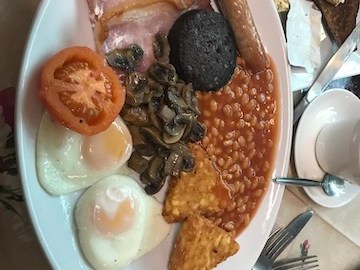
You were lucky to get brown bread. Usually we would meet in a Greasy Spoon and have a Full English with lots of brown sauce and even more Tea.
But now breakfast is trendy and there are loads of great eating experiences out there, with dishes from across the world.
I remember my first experience of eating an American Breakfast. I flew out to Los Angeles with my first wife who was a stewardess with British Airways. Her crew were passengers on the outward journey and crew on the return leg.
We stayed in Santa Monica and I experienced my first visit to Disney land as well my first encounter with Denny’s and Sizzler. Life changing.
So I was interested in this article on breakfast from around the world.
When it comes to breakfast foods across the globe, there are as many ways to enjoy the first meal of the day as there are to say “good morning.” From creamy cornbread cake in Brazil to savoury Tunisian chickpea soup, from fluffy Ukrainian pancakes to sweet coconut jam toasts in Singapore. These 21 international specialties offer a breakfast option for every palate. Even if the flavours in some of these dishes might be unexpected based on what your first meal of the day typically consists of, the presentations are likely familiar.
This shows the delicious diversity of our world’s breakfast cultures, and you may even find food inspiration for your next breakfast?
Switzerland
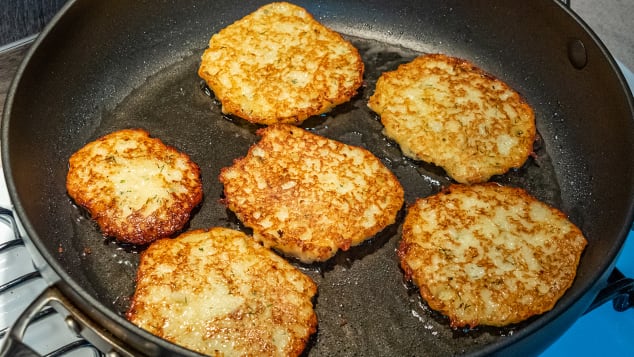
On weekdays, the Swiss frequently stick to quick but filling breakfasts like the traditional Birchermüesli, the granola-style blend of oats with fruit and nuts that’s usually served over thick yogurt.But on weekends, it’s time for Swiss brunch. Along with Roesti (potato pancakes), cheeses, and cold cuts, the centre piece of the brunch table is Zopf. This braided egg bread is similar to challah or brioche, and served with honey, butter, and jam.

Ethiopia
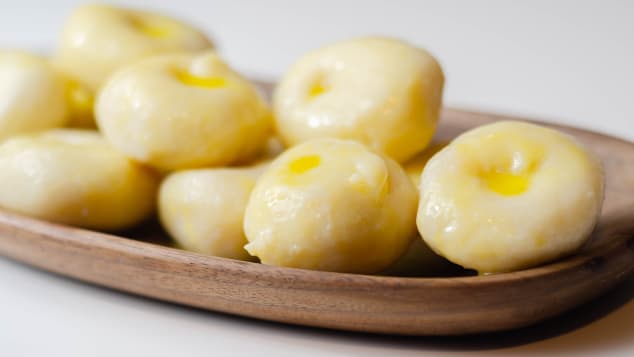
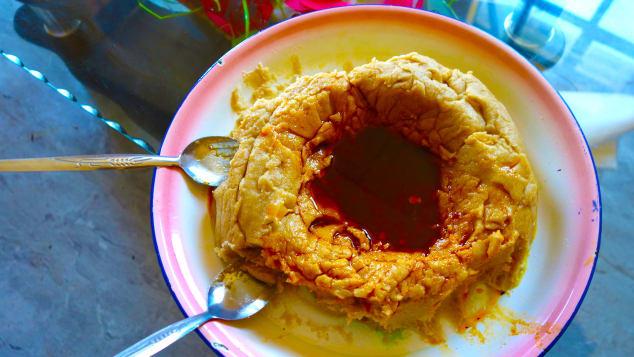
Genfo is a thick porridge made with barley, wheat and corn flour, and it’s a traditional porridge. When you’re having qurs (that’s “breakfast” in Amharic, Ethiopia’s official language), chances are you’ll be eating porridge. While there are many varieties and names for hot grain cereals served throughout the country, savoury Genfo is one of the most popular. Genfo is made by mixing barley flour with boiling water until a thick, sticky dough forms, then shaped into a mound with a well in the centre. The well is then filled with clarified butter blended with Berbere, the complex spice blend, and dollops of yogurt are often spooned around the edges of the Genfo.
Japan
Japanese breakfasts fall squarely on the savoury side of the food spectrum: In fact, much of what you can eat for breakfast in Japan wouldn’t be out of place at any other meal of the day.Many morning repasts consist of a selection of small plates, each with a few bites of a traditional Japanese dish. Fish like salmon or mackerel, miso soup, pickled vegetables and rice are all represented. There’s also tamagoyaki, a slightly sweet rolled omelet made from thin layers of egg in a rectangular pan that gives it its signature shape.
Iceland
Start your day in Iceland with a jolt of life-giving lysi: cod liver oil, a plentiful source of omega-3 fatty acids and one of the byproducts of the country’s fish industry. Though it’s been said to combat seasonal affective disorder, among other health benefits, it’s not the only breakfast option.For a more palatable morning meal, have a bowl of hafragrautur, a thick oatmeal. Top it with nuts, raisins, and sugar, or add a helping of skyr, the thick yogurt-like cultured dairy product that’s actually a fresh cheese.
Singapore
If “Crazy Rich Asians” didn’t already whet your appetite for Singapore, let the multitude of dishes served in the hawker centre’s entice you further. These open-air food courts are always open for business, and it’s not uncommon to see hungry people scooping up bowls of savoury curry noodles first thing in the morning.For a traditional hawker-style breakfast, kaya toast is a must-have. This unassuming-looking toasted sandwich is spread with flavourful kaya, a sweet jam made with coconut milk, eggs, and sometimes pandan leaf for vibrant green colour and flavour.It’s great with coffee or tea, and each stall or shop makes kaya toast its own way — so why not try a few?
Morocco
Along with mint tea, semolina breads are mainstays on the Moroccan breakfast table. Baghrir are thin, yeasted rounds studded with tiny holes that give them the name “thousand-hole pancakes” or “thousand-hole crepes.” Instead of maple syrup, these light semolina breads are topped with butter and honey. Harcha are thicker, griddled biscuit-style rounds that have a crispy crust from a dusting of coarse semolina. They can be split like English muffins and served with cheese or butter, jam, and honey.
When we stayed in Marrakesh we had some delicious food but the sweet pastries were the best.
Australia
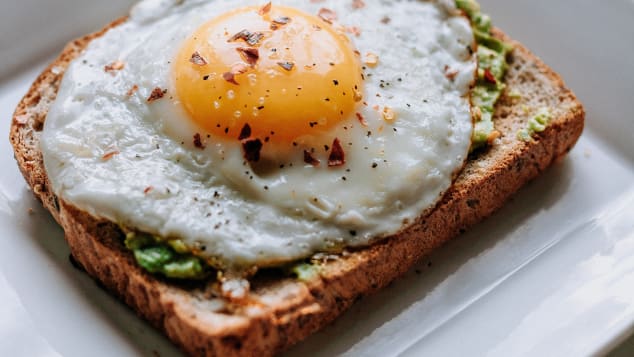
Australian breakfasts range, but a mainstay is avocado toast topped with an egg.Ben Kolde/Unsplash. For those who love grain bowls, avocado and other savoury toasts, and other staples of all-day café culture, Australia’s “brekkie” will be a match made in heaven. With a focus on fresh produce, whole grains, and nourishing combinations, Australian breakfasts can range from the classic avocado toast on seeded bread to a farro bowl topped with a poached egg and pickled vegetables or rice pudding with yogurt, seeds and berries.Don’t forget the flat white — an espresso with a high ratio of steamed milk that even Starbucks can’t get enough of.
On our tour of the East Coast of Australia (see billandJakigotraveling ) I dont remember the breakfast as being outstanding. i do remember the ‘Fish and Chip shops’ which seemed to have legendary status and we found several places that were Fishermans Cooperatives. They were run by local fishermen who sold their fresh catch from there. You could buy wet fish but what I remember most was the Sunday Lunch Fish and Chips sat outdoors at a picnic table. Incredible.
Argentina
There’s one word that defines the Argentinean breakfast spread: facturas. The overarching term for pastries encompasses a sweet and doughy world of shapes, sizes, and flavours.Some of the more popular offerings include medialunes, a croissant-shaped brioche pastry; bombas and bolas de fraille, or fried doughnuts; and churros, which are often dipped in chocolate. Many are filled with dulce de leche or crema pastelera, a vanilla custard.Pair a platter of facturas with highly caffeinated yerba mate or coffee.
Germany
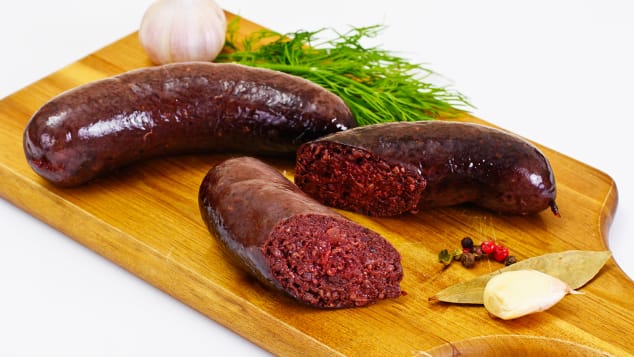
In the land of many wurst, it’s not surprising that sausage and other meats take a starring role in frühstück, the traditional German breakfast.This buffet spread is filled with variety: sausages, cold cuts, cheeses, bread and rolls (including pretzels), as well as fresh fruit, soft-boiled eggs and condiments like homemade jam. The abundant choices are meant for sampling and assembling as you please.
Brazil
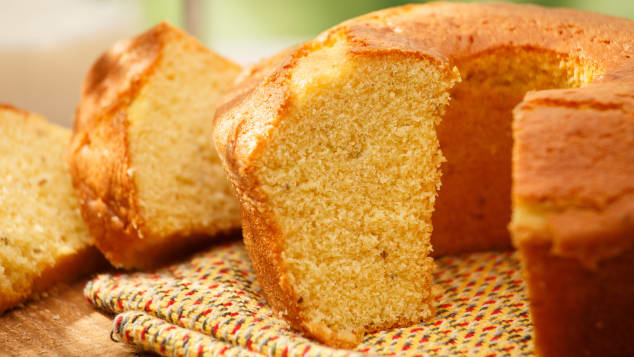
Brazil’s bolo de fuba is a cornbread-style cake with a texture both moist and creamy. If you can’t stop eating pao de queijo, the puffy baked cheese rolls that are a staple of Brazilian culture, you’ll be happy to know you can eat them for breakfast too. But for a variation on Brazilian breakfast breads, try bolo de fuba. It’s a cornbread-style cake with a moist and creamy texture that comes from the addition of grated Parmesan cheese and/or shredded coconut. Sliced and served like a pound cake, it’s frequently an afternoon pick-me-up too.
Tunisia
Fans of savoury meals will love lablabi, a spiced chickpea soup that, yes, is a breakfast food in Tunisia. Chickpeas and harissa paste are the two constants in virtually every lablabi recipe, but the customizations of this simple, soul-warming soup are up to every cook.Sometimes thickened with pieces of stale crusty bread, sometimes brightened by a squeeze of a lemon, sometimes made creamy with yogurt or topped with olives, there are infinite ways to enjoy it.And because it’s often topped with a poached egg, it’s a breakfast that will fill you up all day.
Related content 50 of the world’s best desserts
Jaki and I went to Tunisia once and it was probably one of our least favourite places. It was made worse by the attention Georgia received from the local men who all seemed to think it amusing to offer to buy her for x number of Camels. initially it was amusing but by the end of the second we it was becoming wearing. The Tunisian wine was good though but I dont remember the food as being great?
Bulgaria
Popara follows in the long tradition of using leftover bread as the next day’s meal. This warm, comforting breakfast is a childhood favourite of many Bulgarians — it’s not quite a porridge and not quite a bread pudding, but shares characteristics of both.Warm milk or tea is poured over a bowl of cubed bread, crumbled Bulgarian Sirene cheese, butter and sugar, and left to soak until soft and spoon-able. Sirene is a feta-style cheese that’s creamier and softer than many of the Eastern European brined cheeses, so it doesn’t give the dish as much of a salty flavour and more of a fresh, goat cheese-like tanginess.
Turkey
Kahvalti, the traditional Turkish breakfast spread, is a lavish affair that has a little something for everyone. For those who love to graze and snack, the abundant options will leave nothing lacking. Turkish breads like simit, a circular seeded loaf, or pide, a chewy flatbread, accompany bowls of feta or other fresh, salty cheeses; olives; halvah; and honey and preserves. Eggs are often cooked with pan-fried slices of sucuk, a dried beef sausage spiced with garlic, red pepper, cumin and sumac.
We have been to Turkey twice, loved it and loved the people. The food i remember was excellent.
Guam
This small island — technically an American territory — In the Pacific Ocean is a melting pot of culinary culture, with foods that show the influence of the various countries that colonised the land over the centuries.Like many Asian Pacific nations, Spam is a favourite add-in for breakfasts of fried rice and eggs. But just as popular is the local Chamorro pork sausage, a fresh chorizo-style sausage named after the indigenous population of the island. Grilled in links or patties, it’s breakfast sausage like no other.
Portugal
Portugal’s egg custard tarts pair perfectly with the caffeinated beverage of your choice. Coffee drinks with lots of milk are the first order of business when getting breakfast in Portugal. Uma mei de leite, a half-and-half blend of coffee and milk, or um galao, which is mostly milk with a shot of coffee, are an easy way to ease into the day. Though many Portuguese have a simple piece of toast or bread alongside their drink, the perfect pairing for these milky coffees are pasteis de nata, or egg custard tarts. With a flaky puff pastry shell and a creamy custard filling, they’re equally popular as a snack for the 11 a.m. cafe break, another Portuguese morning ritual.
Related content How CBD has become the USA’s coolest food and drink ingredient

Ukraine
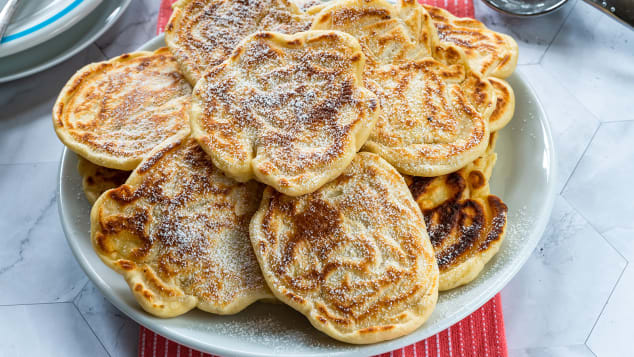
Tender and fluffy on the inside and crispy golden brown on the outside, Ukrainian syrniki pancakes wouldn’t be out of place on a five-star brunch buffet.Yet they’re made with a simple ingredient: fresh farmer’s cheese, known as tvorog, with a consistency similar to ricotta or cottage cheese. The crisp exterior comes from a quick dredge in flour, like a breakfast fritter. Like American pancakes or French toast, they can be topped with fresh fruit, preserves, or powdered sugar, but like potato pancakes or blintzes, they can go savoury with a side of sour cream.
Jamaica
For breakfast in Jamaica, it couldn’t get more patriotic than eating the national dish: ackee and saltfish. Ackee, a delicately sweet pear-shaped fruit, is sautéed with salt cod, tomatoes, garlic, chilies and onion in a breakfast scramble that brings together sweet, salty, and spicy for a one-of-a-kind island taste. Though it looks similar to scrambled eggs, that’s just the creamy yellow ackee, Jamaica’s national fruit, in the dish.
Taiwan
While a glass of milk is often advertised in the US as “part of a balanced breakfast,” dòu jiāng takes the tradition to new levels. This fresh soy milk is a specialty of Taiwan, typically made fresh by street vendors and restaurants every morning for their customers. Served hot in the winter and cold in the summer, it’s a refreshing contrast to the chewy scallion pancakes, dumplings and dough fritters that are also part of the usual Taiwanese breakfast. Dip your fritters in the soy milk for an extra treat.Related content
Best 23 cities for street food from Miami to Tokyo
Italy
Italians are almost too busy for breakfast — or so you’d think from the number of coffee bars where guests take their espresso standing up for a quick jolt at the beginning of the day. But whether standing or relaxing for a moment at a café table, there’s always time for a coffee and Italian pastry to go with it. For the morning, espresso or cappuccino is frequently paired with a simple sweet like a Cornetto, or croissant, filled with custard or Nutella. Sfogliatelle, a crunchy and flaky multi-layered pastry with a sweet ricotta cheese filling, is another breakfast standard.
United States of America
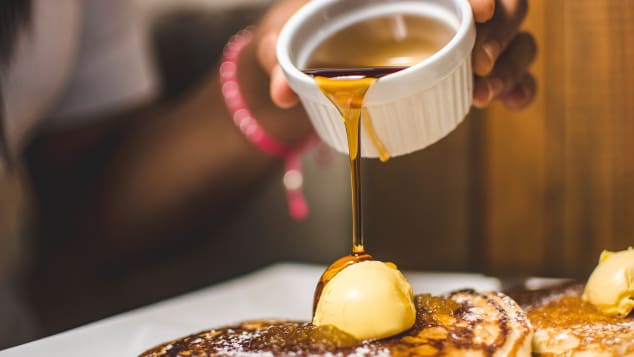
Fluffy American-style pancakes served with a generous pat of butter and real maple syrup (bacon if you’re lucky) is one of the best breakfasts in the US. Kobby Mendez/UnsplashWhen it comes to classic American brunch, you can’t go wrong with fluffy buttermilk pancakes stacked high alongside a pile of crispy bacon. The contrasting textures and salty-sweet flavour pairing make this breakfast a favourite of kids and adults alike. And while pancakes can be dressed up by adding in everything from fresh blueberries to chocolate chips to pecans, the classic toppings of butter and maple syrup remain the gold standard.
Russia
Though it sounds indulgent, caviar is actually a Russian breakfast food. Whether red or black caviar, it remains a favourite topping for large, folded crepe-like blini or small, thick oladyi pancakes at weekend brunches.On weekdays, however, breakfasts are simpler. On these mornings, caviar is spread across dark, sweet rye bread, known simply as black bread, sometimes with a smear of butter as well. Most importantly, a pot of black tea is a fixture on every breakfast table.
Having said all that, I still think the Full English (Welsh, Scottish or Irish) takes a bit of beating, especially with some ‘bubble and squeak’.
Though I haven’t tried Ian Piri Piri eggs yet.