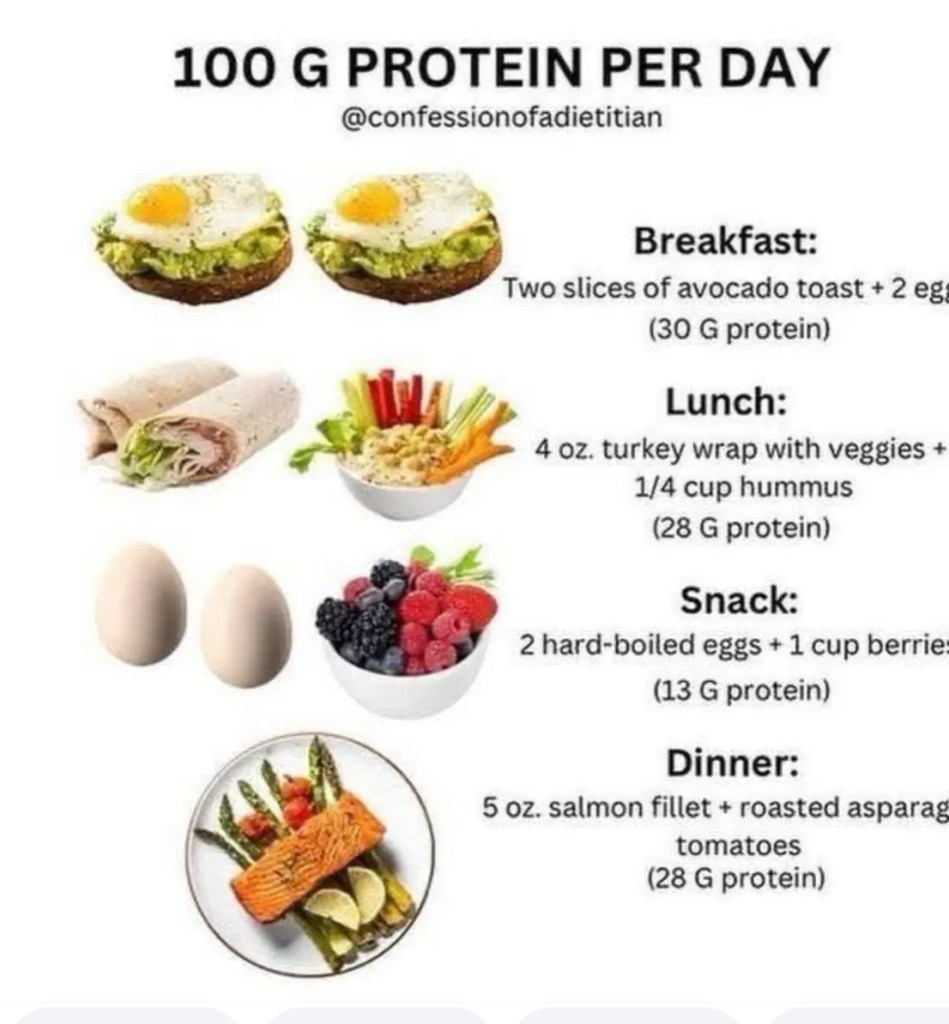
Following on from yesterday’s blog I was lucky enough to find the Instagram article that sparked my interest. Sadly when I wrote yesterday’s article I couldn’t find the initial Guardian piece that had inspired me.
But today, hallelujah, it reappeared in my time line, so I’ve copied it for your consideration.
Interestingly now I look at it again it seems to be an advertisement for Nuts?
That said, some of the information contained is still relevant but, you might want to assume eating nuts isn’t the only way of maintaining muscle mass?
And in this day and age I would not urge anyone to buy anything from the USA as there are plenty of other countries that produce Pistachio nuts.
Pistachios are native to Central Asia, particularly the region encompassing Iran and Afghanistan. They were later introduced to the Mediterranean region and are now cultivated in many other countries, including the United States (mostly California), Turkey, and China.

Why men lose muscle mass in middle age – and how to combat the process
It happens to all men to some degree as they progress through middle age, but losing muscle mass can be mitigated with exercise, the right diet and lifestyle changes – particularly important given the impact this can have later in life
Most men worry about losing their hair as they approach middle age but this isn’t the only thing we can lose. Muscle loss is a natural part of the ageing process for men – after the age of 30, we begin to lose between 3% and 5% each decade.
A perfect storm of hormonal changes, reduced muscle protein synthesis, lower testosterone and decreased physical activity means our muscle mass decreases. Most men will shed about 30% of their muscle mass during their lifetimes and this process even has a fittingly unpleasant name: sarcopenia.
Losing muscle mass isn’t just an image problem, it causes serious issues such as increased weakness, reduced mobility and greater risk of chronic diseases. But the good news is that we can slow down this unwelcome process. It’s never too late for middle-aged men to rebuild and maintain muscle, and there are three ways to do it: exercise, diet and lifestyle.
Exercise
Strength training is an effective way of maintaining or even increasing your muscle mass in middle age. Several studies have found that resistance training can counter muscle weaknessas people age. You can pick up the gym bug at any stage of your life, so it’s never too late to start. A good way to get going is to begin at home with bodyweight exercises such as squats, lunges, and push-ups, to wake up your body and reconnect with it.
Once you hit the gym, you’ll need to gradually lift heavier weights or do more reps, but if you’re in or beyond middle age, then your joints are probably not the sprightly things they were when you were 20, so add those increments gradually and leave any showboating to the TikTok lads.
Diet
What you consume can make or break your results at the gym, so you should eat a wide variety of nutrient-rich foods across different food groups. For middle-aged men aiming to build muscle mass, a diet rich in protein, vitamins and fibre is absolutely essential.
To build muscle you need protein, so the maths is simple: when you’re aiming to increase muscle mass, your body needs more protein. Studies have found that diets higher in protein can help prevent age-related declines in muscle mass. Vitamins and micronutrients also play a crucial role because they can improve muscle function and prevent muscle atrophy.
This doesn’t mean you have to buy expensive and extravagant protein powder. There are plenty of ways to get adequate protein from your diet – including the humble pistachio nut. Pistachios give you a plant-based complete protein snack – providing a natural source of plant-based protein, plus vitamins and minerals to reinforce muscle mass and bones.
Pistachios include monounsaturated fats [pdf], which reduce cholesterol, and they are a delicious and effective post-gym snack, with plenty of magnesium, which can help you recover after exercise. Work them into a diet filled with soya, beans, pulses and the occasional bit of meat, and you’ll be able to get all the protein you need. You can sprinkle pistachios on to your meals or eat them as a snack in their own right. Work them into your exercise regime and they will get to work for you.
Lifestyle
It’s extra important to avoid tension because studies have found that stress can add to the effects of sarcopenia. When you’re anxious, your body releases cortisol as you go into a fight or flight response. This hormone speeds up the breakdown of proteins, including muscle proteins, which can lead to a decrease in muscle mass and strength.
There are simple ways to minimise stress, including mindfulness, meditation, deep breathing, relaxing hobbies, or even just reading a book rather than doomscrolling on your phone.
You should also drink plenty of water, because adequate hydration is vital for muscle growth. It boosts nutrient delivery and muscle repair, and also improves your overall performance during workouts. If you get dehydrated, this can hinder muscle protein synthesis, lower your energy levels and prolong your recovery time. So keep going to the well.
Sleep is where a lot of magic happens, so getting plenty of shut-eye is important for your muscles, because it’s when your body releases anabolic hormones such as testosterone and growth hormone, which your body needs for muscle building and recovery. Sleep is also when your body repairs any microscopic tears in muscle tissue caused by exercise. If you get too little sleep, this can reduce muscle protein synthesis, which can hinder muscle growth and make it harder to gain muscle mass. So get your head down and dream about your new body.

